Understanding what is a CRM system is essential for any business looking to enhance its customer relationships and streamline operations. A Customer Relationship Management (CRM) system is a powerful tool designed to manage company interactions with current and potential customers. It enables businesses to organize, automate, and synchronize sales, marketing, customer service, and technical support activities, ultimately fostering stronger connections and improving customer satisfaction.
In today’s fast-paced market, having a well-defined CRM system is not just a convenience; it’s a necessity. These systems combine data from various channels, providing businesses with a comprehensive view of their customers. By leveraging this information, companies can tailor their strategies to meet customer needs effectively, thus driving growth and loyalty.
Understanding the Definition of a CRM System
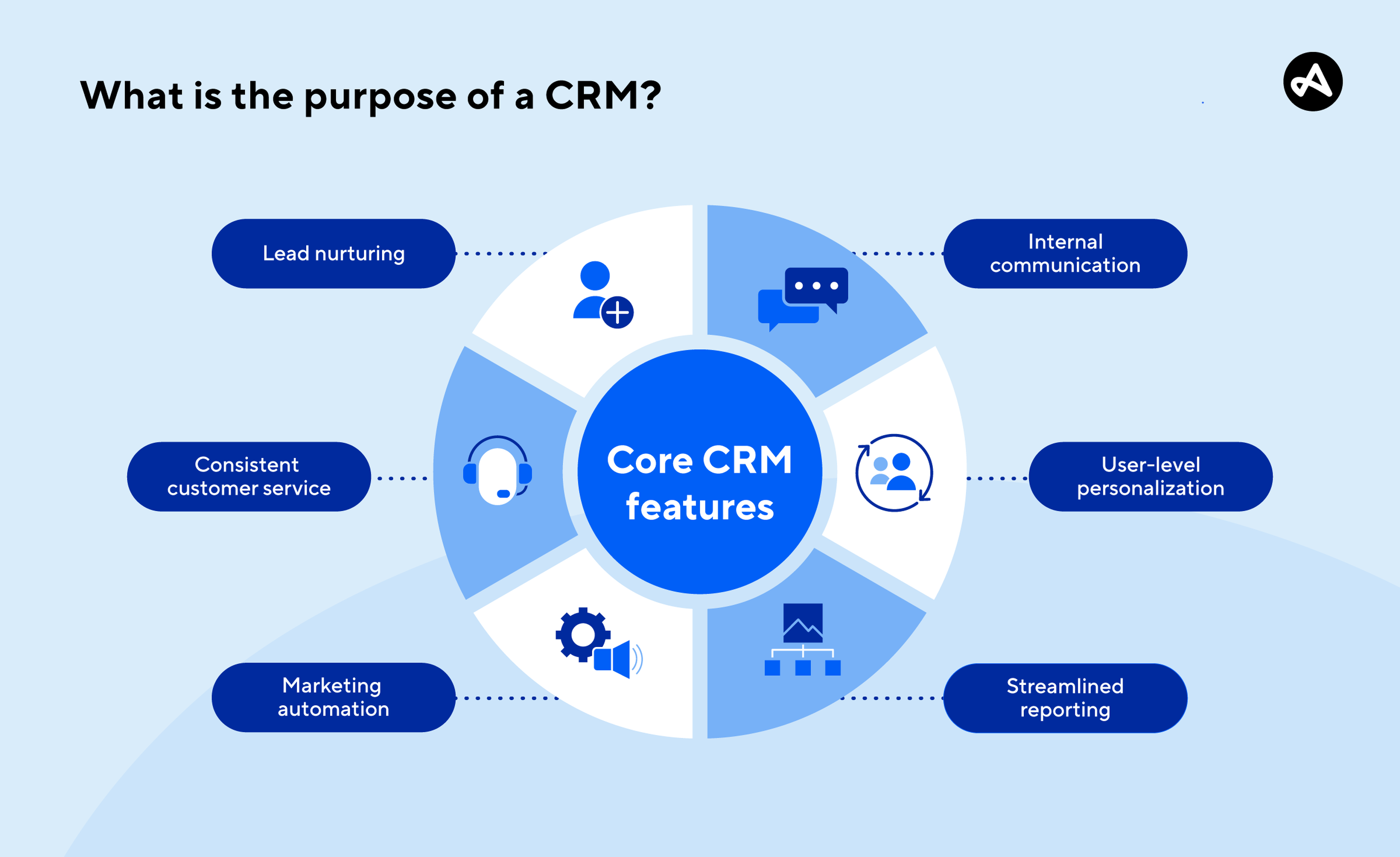
A Customer Relationship Management (CRM) system is a technology platform that enables organizations to manage their interactions and relationships with customers and potential customers. It streamlines processes, builds customer relationships, increases sales, improves customer service, and enhances overall profitability. By centralizing data and facilitating communication, CRM systems help businesses understand their customers’ needs and behaviors.CRM systems are vital for customer relationship management as they allow companies to compile customer data from various channels, including websites, social media, email, and phone calls.
This aggregated information provides a 360-degree view of each customer, enabling businesses to tailor their communications and offerings effectively. A well-implemented CRM can track customer interactions, manage sales pipelines, and automate certain processes, ultimately leading to improved customer satisfaction and loyalty.
Key Components of a CRM Platform
Several core components comprise a robust CRM platform. These components work together to facilitate the effective management of customer relationships:
Contact Management
This is the foundation of any CRM, allowing businesses to store and organize customer information, including contact details, communication history, and preferences. By having all relevant data in one place, companies can quickly access and analyze customer interactions.
Sales Management
A crucial element of CRM systems, sales management tools help businesses track leads, opportunities, and sales performance. This enables sales teams to optimize their efforts and close deals more effectively by identifying promising leads and nurturing them throughout the sales funnel.
Marketing Automation
CRM systems often include marketing automation features that help businesses execute targeted marketing campaigns based on customer data. This can involve email marketing, social media engagement, and personalized content distribution, enhancing customer outreach and engagement.
Customer Support
Integrated customer support functions allow businesses to manage customer inquiries and issues more efficiently. Features may include ticketing systems, knowledge bases, and live chat options, ensuring that customers receive timely assistance and support.
Analytics and Reporting
Effective decision-making is supported by data analytics features within CRM systems. Businesses can generate reports to analyze customer behavior, sales performance, and marketing effectiveness, identifying trends and areas for improvement.Each of these components plays a critical role in enhancing how businesses interact with their customers, leading to stronger relationships and better overall outcomes.
The Evolution of CRM Systems Over Time
The journey of Customer Relationship Management (CRM) systems has been a fascinating one, evolving from simple contact management tools to sophisticated platforms that integrate artificial intelligence, analytics, and cloud computing. Understanding this evolution is key to appreciating how businesses can leverage CRM systems to enhance customer relationships and drive sales growth. The development of CRM systems is synonymous with the advancement of technology and the changing needs of businesses in managing customer interactions effectively.
CRM systems began in the 1980s when companies relied on basic databases to store customer information. Early systems were essentially digital Rolodexes, allowing businesses to keep track of contacts and their details. These rudimentary solutions enabled companies to maintain a database of leads, but they lacked functionality for managing customer interactions comprehensively. As the 1990s approached, the landscape began to change with the introduction of more advanced software that integrated sales force automation and marketing automation.
For example, companies like Siebel Systems pioneered early CRM software that allowed for better tracking of customer interactions and sales pipelines.
With the advent of the internet in the late 1990s, CRM systems began to leverage online capabilities. This new wave of technology allowed businesses to interact with customers through email, which significantly expanded communication channels. Companies could now gather data from various online touch points, enhancing their understanding of customer preferences and behaviors. The rise of e-commerce further fueled the need for more sophisticated CRM solutions that could handle online transactions and customer inquiries seamlessly.
This era saw the emergence of web-based CRM systems, which offered companies the flexibility to access customer data from anywhere, facilitating remote work and collaboration.
Impact of Cloud Computing on CRM Evolution
The introduction of cloud computing in the early 2000s revolutionized CRM systems, making them more accessible to businesses of all sizes. Cloud-based CRM platforms eliminated the need for expensive hardware and complex installations, allowing companies to adopt CRM software on a subscription basis. This shift democratized access to advanced CRM tools, enabling small and medium-sized enterprises to compete with larger corporations.
Renowned cloud-based CRM providers, such as Salesforce, emerged during this period, providing extensive functionalities like customer analytics, lead scoring, and automated marketing workflows.
Cloud computing also paved the way for enhanced data integration and real-time analytics. Companies could now collect and analyze vast amounts of customer data from multiple sources, including social media, online sales, and customer service interactions. This comprehensive view of customer data allowed businesses to cultivate personalized experiences, develop targeted marketing campaigns, and improve customer satisfaction. Furthermore, the integration of artificial intelligence in CRM systems, such as chatbots and predictive analytics, has enabled organizations to anticipate customer needs and provide proactive support.
In summary, the evolution of CRM systems reflects not only technological advancements but also an increasing recognition of the importance of customer relationships in driving business success. Today, CRM systems are designed to be integrated, agile, and user-friendly, creating a centralized hub for managing customer interactions and fostering long-term loyalty. As technology continues to advance, CRM systems will undoubtedly evolve further, presenting new opportunities for businesses to enhance their customer engagement strategies.
Different Types of CRM Systems Available
Customer Relationship Management (CRM) systems come in various forms, each designed to cater to specific business needs and enhance customer interaction strategies. Understanding the distinctions among the types of CRM systems can help businesses select the best fit for their operational goals. The three primary categories of CRM systems are operational, analytical, and collaborative.
Operational CRM Systems
Operational CRM systems are focused on automating and streamlining customer-facing processes. They encompass sales, marketing, and service automation functionalities. The key features include lead management, contact management, sales forecasting, and customer service management. These systems enable businesses to efficiently manage customer interactions at all stages of the sales cycle, from lead acquisition to post-sale support.
Key Features
Lead and Opportunity Management
Customer Service Automation
Marketing Campaign Management
Workflow Automation
Operational CRMs are ideal for businesses that prioritize customer interactions and require structured processes for managing sales and support teams. For instance, a retail company may use an operational CRM to track customer purchases, manage inventory, and automate follow-up communications.
Analytical CRM Systems
Analytical CRM systems are designed to analyze customer data to improve business decisions and marketing strategies. They focus on data mining, customer segmentation, and predictive analytics, allowing businesses to gain deeper insights into customer behavior and preferences. The primary features include reporting tools, data visualization, and integration with other data sources.
Key Features
Data Analysis and Visualization
Customer Segmentation
Predictive Modeling
Performance Metrics and Reporting
These systems are particularly beneficial for businesses looking to enhance their strategic marketing efforts or improve customer retention. For example, a telecommunications company might deploy an analytical CRM to track usage patterns and determine which services are most appealing to different customer segments, thus tailoring their offerings more effectively.
Collaborative CRM Systems
Collaborative CRM systems focus on enhancing communication and collaboration among various departments within an organization, as well as with external stakeholders. They facilitate information sharing across teams, ensuring everyone has access to customer insights and interactions. Features commonly associated with collaborative CRMs include communication tools, shared databases, and integrated calendars.
Key Features
Shared Customer Databases
Communication and Collaboration Tools
Multi-Channel Customer Interaction Management
Feedback Management Systems
Collaborative CRMs are best suited for businesses that depend on teamwork and cross-departmental cooperation, such as consultancy firms or service-based organizations that need to keep track of client interactions across different teams. For instance, an agency might utilize collaborative CRM to coordinate efforts between marketing, sales, and customer service, ensuring seamless customer experiences.
Key Features of Effective CRM Systems
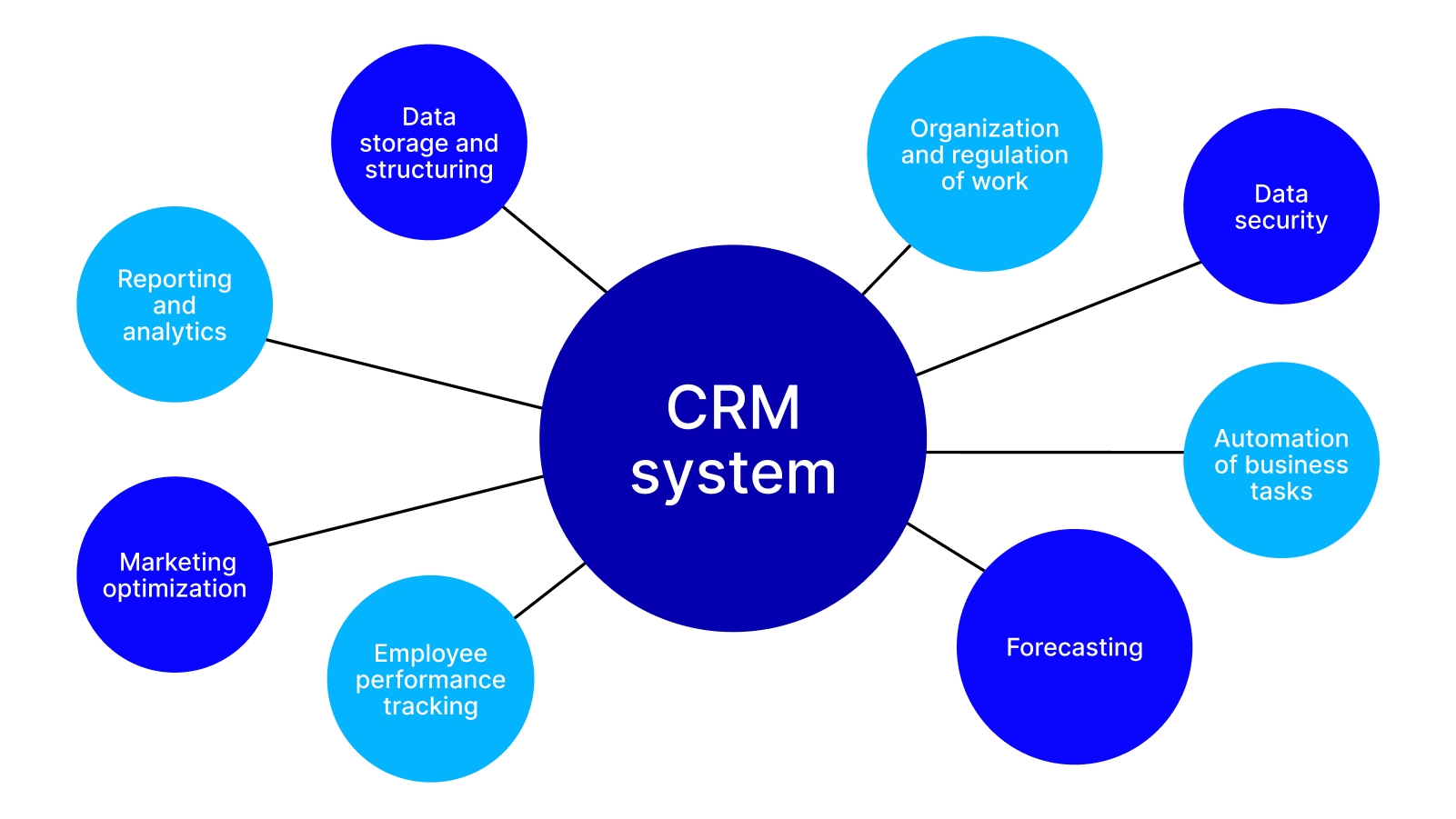
A robust Customer Relationship Management (CRM) system is pivotal for businesses aiming to enhance their customer interactions and streamline operations. The right CRM encompasses a range of essential features that not only improve efficiency but also foster stronger relationships with clients.An effective CRM system should possess features that enable businesses to manage customer interactions, track sales, and analyze performance metrics.
These features contribute significantly to improved customer relationships by providing a comprehensive view of customer data, enabling personalized communication, and facilitating better service. Below are key features that define an effective CRM system:
Essential Features of Effective CRM Systems
The following features are critical for any CRM system looking to enhance customer relationship management:
- Contact Management: This feature allows businesses to store and manage customer information, including contact details, communication history, and preferences. A centralized database helps ensure that all team members have access to the same information, improving coordination and response times.
- Sales Automation: Automating sales processes such as lead management, follow-ups, and reporting helps sales teams focus on closing deals rather than administrative tasks. This feature streamlines the sales pipeline, allowing for quicker conversions and better forecasting.
- Analytics and Reporting: A powerful CRM provides reporting tools that analyze customer data and sales trends. This helps businesses understand customer behavior and preferences, enabling informed decision-making and targeted marketing strategies.
- Customer Service Management: Effective CRM systems include features for managing customer inquiries and support tickets. By tracking customer issues and resolutions, businesses can provide timely support, enhancing customer satisfaction.
- Integration Capabilities: A robust CRM can integrate with other business tools such as email marketing platforms, e-commerce systems, and communication tools. This interconnectedness ensures a seamless workflow across different departments.
- Mobile Accessibility: With an increasing number of sales representatives working remotely or on the go, mobile access to CRM systems is essential. This feature allows users to access customer information and update records from anywhere, enhancing responsiveness and flexibility.
These features contribute to improved customer relationships by enabling personalized interactions, timely follow-ups, and efficient problem resolution. For example, Salesforce is renowned for its extensive features, including robust analytics and seamless integration capabilities. HubSpot CRM, on the other hand, is celebrated for its user-friendly interface and sales automation features that empower smaller businesses to manage customer relationships effectively. By incorporating these essential features, CRM systems not only enhance operational efficiency but also create a more engaging and personalized experience for customers.
The Role of CRM Systems in Business Strategy
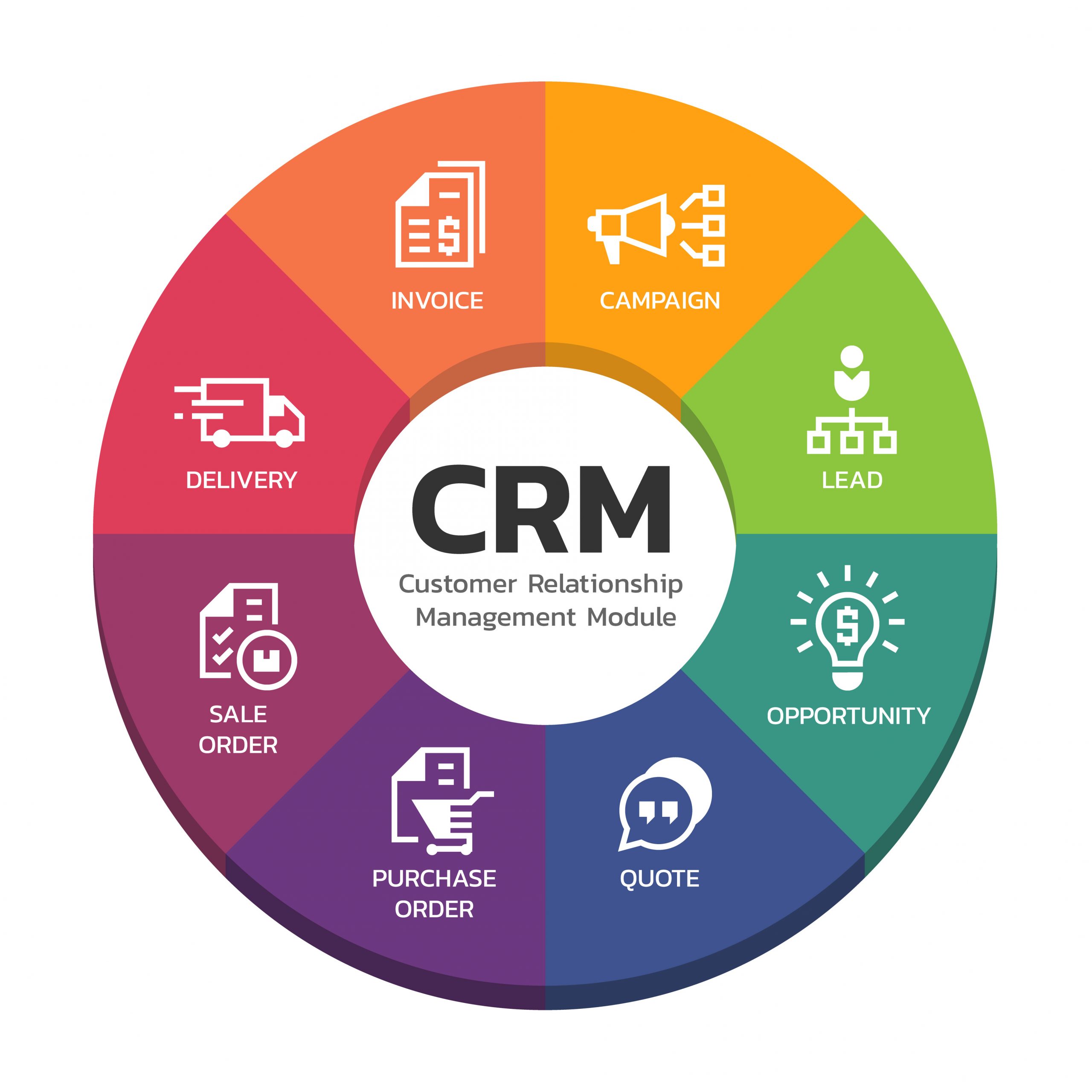
CRM systems play a pivotal role in shaping and implementing a company’s business strategy. By centralizing customer information, sales data, and marketing efforts, these systems allow organizations to create a comprehensive view of their customers. This integration not only enhances customer engagement but also drives overall business success by aligning various operational aspects under a unified strategy. CRM systems effectively support customer retention and acquisition strategies by providing tools that facilitate personalized communication and targeted marketing initiatives.
One of the core functionalities of a CRM is tracking customer interactions, which helps businesses understand behavioral patterns and preferences. This data-driven approach allows companies to tailor their offerings, thereby meeting customer needs more accurately. When customers feel valued and understood, their loyalty increases, ultimately leading to higher retention rates.
Integration of CRM with Marketing and Sales Strategies
The alignment of CRM practices with marketing and sales strategies is crucial for optimizing business performance. A well-integrated CRM system provides sales teams with actionable insights derived from customer data, enabling them to pursue the right leads and close deals more effectively. To illustrate this integration, consider the following key areas where CRM enhances both marketing and sales efforts:
- Targeted Campaigns: CRM systems allow marketing teams to segment customers based on various criteria such as past purchases or engagement levels. This segmentation supports the creation of targeted campaigns that resonate with specific customer groups, increasing the likelihood of conversions.
- Sales Forecasting: By analyzing historical data and trends, CRM systems provide valuable insights into future sales performance. This enables sales teams to set realistic targets and allocate resources more efficiently, ensuring that they focus on high-potential opportunities.
- Customer Insights: The data collected through CRM systems offers deep insights into customer behaviors and preferences. This information is essential for both marketing and sales teams to refine their strategies and tailor their approaches to meet the evolving demands of consumers.
- Lead Management: CRM systems streamline the lead management process by tracking interactions and follow-ups. This efficiency ensures that no potential customer is overlooked, improving the chances of turning leads into loyal customers.
Through these integrations, CRM systems not only enhance operational efficiency but also foster collaboration between marketing and sales teams. This synergy is vital for driving growth and achieving strategic business objectives. As organizations continue to evolve in a competitive landscape, leveraging CRM systems will remain a fundamental aspect of their overall business strategies, ensuring they maintain a customer-centric approach.
Benefits of Implementing a CRM System
Implementing a Customer Relationship Management (CRM) system can fundamentally reshape how businesses operate, offering a plethora of advantages that enhance overall performance and customer satisfaction. The benefits of adopting a CRM system can be neatly organized into categories such as increased efficiency, improved customer service, and enhanced data analysis, leading to a more streamlined approach to managing customer relationships.
Increased Efficiency
Adopting a CRM system significantly boosts operational efficiency by automating routine tasks and centralizing information. This allows employees to focus on core business functions instead of administrative duties. The following points illustrate how CRM enhances efficiency:
-
Automation of repetitive tasks
frees up valuable time, allowing teams to concentrate on strategic initiatives that drive growth.
-
Centralized data storage
ensures that all customer interactions and information are stored in one accessible location, reducing time spent searching for data.
-
Streamlined communication channels
facilitate better collaboration within teams, leading to quicker decision-making and response times.
A case study from a mid-sized software company illustrates these efficiency gains. After implementing a CRM system, they reported a 30% reduction in time spent on administrative tasks, allowing their sales team to focus more on customer engagement, ultimately leading to a 15% increase in sales revenue within six months.
Improved Customer Service
A robust CRM system empowers businesses to provide exceptional customer service, thereby fostering loyalty and satisfaction. The benefits in this area include:
-
Personalized customer interactions
allow businesses to tailor their communications based on past interactions, leading to a more engaged customer base.
-
Faster response times
are achieved through easily accessible customer data, enabling support teams to resolve issues more efficiently.
-
Proactive customer engagement
becomes possible with analytics that help identify customer needs and preferences, allowing businesses to anticipate issues before they arise.
For example, a retail company utilizing a CRM system saw a customer satisfaction rating increase from 75% to 90% over one year. This was attributed to their ability to resolve customer inquiries swiftly and with personalized service, demonstrating the direct correlation between CRM use and customer satisfaction.
Enhanced Data Analysis
Effective data analysis is a cornerstone of any successful business strategy, and CRM systems provide powerful tools for this purpose. The advantages here include:
-
Advanced reporting and analytics
capabilities enable businesses to track key performance indicators (KPIs), providing insights into customer behavior and sales trends.
-
Segmentation and targeting
are simplified, allowing marketers to create campaigns that resonate with specific customer groups based on detailed data analysis.
-
Forecasting and trend analysis
become more accurate, helping businesses make informed decisions about resource allocation and future strategies.
A financial services firm implemented a CRM with strong analytical features and was able to identify that 60% of their revenue came from just 20% of their clients. This valuable insight led them to focus their marketing efforts on retaining and upselling to this key segment, resulting in a 25% revenue increase within a year.
Challenges Businesses Face When Adopting CRM Systems
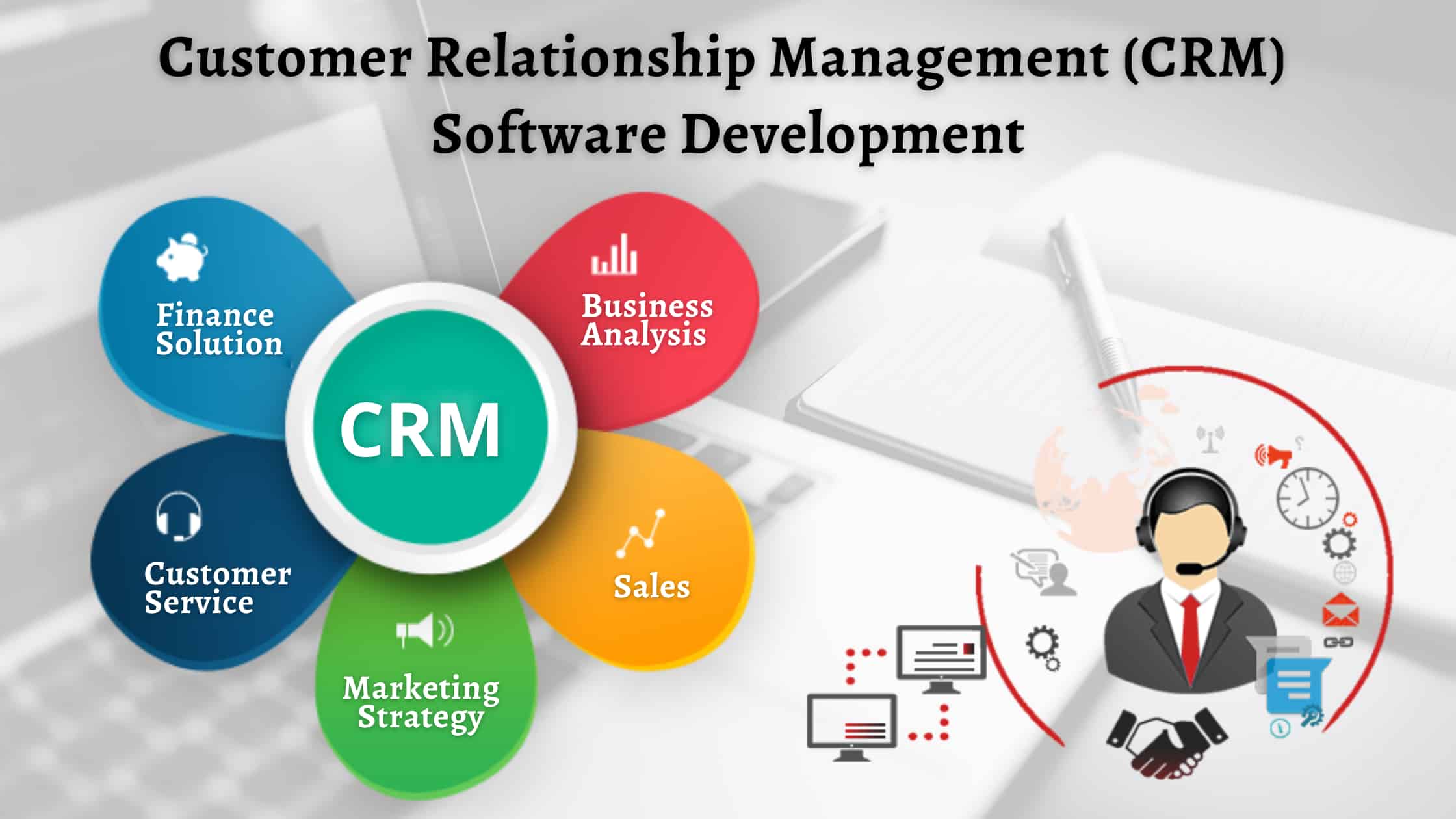
Implementing a Customer Relationship Management (CRM) system is a strategic move that can significantly enhance business operations. However, the journey is often fraught with challenges that can impede successful adoption. Organizations must navigate various hurdles, including resistance to change, integration issues with existing systems, and ensuring data accuracy. Understanding these challenges is crucial for any organization aiming to leverage the full potential of a CRM system.One major challenge businesses encounter is the resistance to change among employees.
Many staff members may be accustomed to their current processes and may hesitate to adapt to a new system, viewing it as an additional burden rather than a tool for improvement. This resistance can hinder the successful implementation of the CRM system, leading to underutilization and missed opportunities for growth.Another significant hurdle is the integration of the CRM system with existing technology stacks.
Businesses often deploy multiple software solutions, and ensuring that the new CRM can seamlessly exchange data with these tools is essential. Incompatibility issues can lead to data silos, which can undermine the purpose of a CRM system.Data accuracy also poses a challenge. A CRM relies heavily on the input of accurate and comprehensive data to generate meaningful insights. If the data entered into the system is flawed or incomplete, the consequences can ripple through the organization, resulting in poor decision-making and ineffective customer interactions.
Importance of User Training and Adoption
User training is critical in overcoming these challenges. Proper training ensures that all employees understand the benefits and functionalities of the CRM system, which can significantly reduce resistance to change. When employees feel confident using the new technology, they are more likely to embrace it, leading to better adoption rates. Organizations should invest in comprehensive training programs that cater to different learning styles, ensuring that each team member is equipped to maximize the system’s potential.To mitigate risks associated with CRM system failures, businesses should adopt a phased implementation approach.
This gradual strategy allows for real-time feedback from users, enabling organizations to make necessary adjustments before a full rollout. Regular system audits and updates can help maintain data integrity and address integration issues proactively.Additionally, fostering a culture of open communication within the organization can facilitate smoother transitions. Encouraging staff to voice concerns or share insights offers management the opportunity to address issues promptly, leading to a more successful CRM adoption process.
“A well-trained team is the backbone of successful CRM implementation.”
Future Trends in CRM Technology
The landscape of Customer Relationship Management (CRM) technology is rapidly evolving, driven by advancements in artificial intelligence (AI), mobile capabilities, and data insights. These trends are reshaping how businesses interact with their customers, streamline data management, and enhance user experiences. As we delve into these upcoming developments, it’s essential to consider how they will impact customer interactions and the potential challenges that may arise.
AI Integration in CRM Systems
AI is set to revolutionize CRM systems by automating processes, enhancing predictive analytics, and personalizing customer interactions. With AI-driven tools, businesses can analyze vast amounts of customer data in real time, gaining insights that were previously unattainable. For instance, AI can identify patterns in customer behavior, allowing companies to tailor their marketing strategies and improve customer engagement.The importance of AI in CRM goes beyond just analytics.
Chatbots powered by AI are becoming commonplace, enabling businesses to provide 24/7 customer support. These bots can handle inquiries, book appointments, and offer product recommendations, leading to an enhanced customer experience. A notable example is the integration of AI in platforms like Salesforce, which allows for automated data entry and customer follow-ups based on previous interactions.However, implementing AI solutions also presents challenges.
Businesses must ensure that AI systems are not only accurate but also secure, as handling sensitive customer data raises privacy concerns. Furthermore, employees need training to adapt to these advanced systems, and there may be resistance to changing established workflows.
Mobile CRM Development
The shift towards mobile technology is another critical trend shaping the future of CRM. As more customers engage with brands through mobile devices, businesses must adapt their CRM systems to support mobile functionality. Mobile CRM applications enable sales teams to access customer data and insights on the go, improving responsiveness and productivity.Mobile CRM offers features such as push notifications, location-based services, and real-time data updates.
This level of accessibility allows sales representatives to engage with customers during face-to-face meetings, enhancing the personalization of interactions. For example, a sales rep can pull up a customer’s purchase history or preferences on their mobile device during a meeting, tailoring their pitch accordingly.While adopting mobile CRM can streamline operations, challenges remain. Businesses must ensure that their mobile solutions are user-friendly and integrate seamlessly with existing systems.
Security risks also need to be addressed, as mobile devices can be vulnerable to cyberattacks, potentially compromising customer information.
Data Management and Customer Insights
The increasing focus on data management is crucial as businesses seek to leverage customer insights to drive growth. Advanced analytics tools are becoming integral to CRM systems, allowing organizations to segment their customer base more effectively and target marketing efforts with precision. By utilizing data visualization, companies can better understand customer journeys and identify areas for improvement.Moreover, the concept of unified customer profiles is gaining traction.
This approach consolidates data from various touchpoints into a single view, giving businesses a comprehensive understanding of their customers. For instance, integrating data from social media, email interactions, and past purchases enables companies to create a holistic picture of customer preferences and behaviors.However, the challenge lies in data quality and management. With the increasing volume of data generated, ensuring accuracy and relevance becomes paramount.
Mismanaged data can lead to misguided marketing efforts and dissatisfied customers. Therefore, investing in robust data governance and analytics capabilities is essential for businesses looking to harness the full potential of CRM technology.In summary, the future of CRM technology is set to be shaped significantly by AI integration, mobile capabilities, and enhanced data management techniques. While these advancements promise to improve customer interactions and operational efficiency, they also introduce challenges that businesses must navigate carefully.